Modern Techniques For Rope Rigging

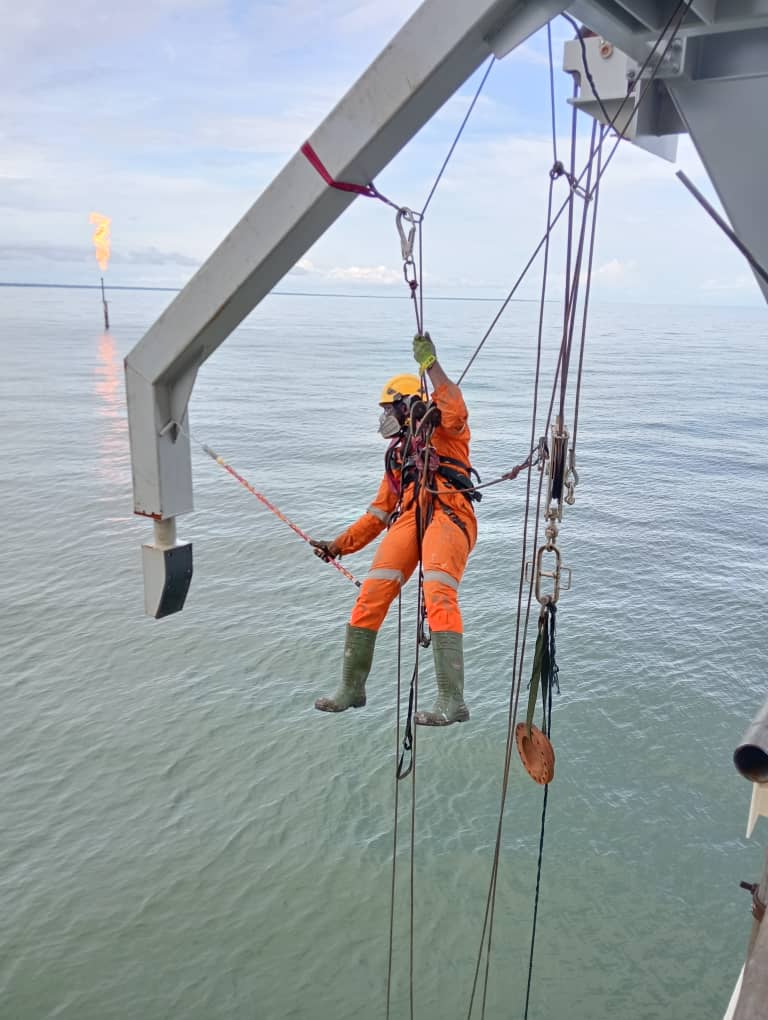
Rope rigging has evolved significantly with advancements in safety standards, equipment technology, and work-at-height methodologies. Modern rope rigging techniques are designed to improve efficiency, enhance safety, and reduce operational costs, especially in construction, marine, oil & gas, and industrial environments.

1. Rope Access Rigging Systems

One of the most widely adopted modern techniques is rope access rigging. This method uses certified ropes, harnesses, anchors, and descenders to position technicians safely at height. Rope access eliminates the need for heavy scaffolding or cranes in many situations, allowing faster setup, minimal disruption, and access to confined or difficult areas.

Key advantages include:

  • Reduced project time and cost
  • Enhanced mobility and flexibility
  • Minimal environmental and structural impact

2. Advanced Anchor and Load Distribution Systems

Modern rigging emphasizes engineered anchor points and load distribution systems. These systems are designed to spread loads evenly across multiple anchors, reducing stress on any single point. Rigging engineers now use pre-calculated load ratings and redundancy principles to ensure maximum safety during lifting and positioning operations.

This approach is especially critical in high-risk environments such as offshore platforms and high-rise structures.


3. Use of High-Performance Synthetic Ropes

Traditional ropes have been replaced in many applications by high-performance synthetic fibers such as aramid, HMPE, and polyester blends. These ropes offer:

  • High strength-to-weight ratios
  • Increased resistance to abrasion and chemicals
  • Improved durability and longer service life

Their lightweight nature also reduces fatigue for rigging personnel and improves handling efficiency.


4. Load Monitoring and Testing Technologies

Modern rope rigging integrates load monitoring tools such as dynamometers and load indicators. These devices provide real-time data on applied loads, helping operators prevent overloading and identify potential risks early.

Water load testing and controlled proof loading are now standard practices to verify system integrity before full operational use.


5. Modular and Temporary Rigging Solutions

Temporary and modular rigging systems are increasingly popular for short-term or specialized projects. These systems allow quick assembly and disassembly while maintaining high safety standards. They are commonly used in maintenance, inspection, and installation works where permanent rigging structures are not practical.


6. Digital Planning and Risk Assessment

Technology now plays a major role in modern rope rigging. Digital tools are used for:

  • Rigging layout planning
  • Load calculations
  • Risk assessments and method statements

This digital approach improves accuracy, ensures compliance with safety regulations, and enhances communication between rigging teams and project managers.


7. Emphasis on Training and Certification

Modern rigging techniques rely heavily on properly trained and certified personnel. Industry-recognized training programs ensure that riggers understand equipment limitations, load dynamics, and emergency procedures. Continuous skills development has become a core part of modern rope rigging operations.
Discussing Project With Teammates

Discussing a project with teammates is essential for successful planning, execution, and delivery. Effective communication ensures that everyone understands the project goals, scope of work, timelines, and safety requirements. When teams communicate openly, mistakes are reduced and productivity improves.

Clarity of Objectives

Project discussions help align all team members on what needs to be achieved. Clearly explaining project objectives, expectations, and deliverables ensures that everyone is working toward the same goal.

Role Allocation

Through discussion, tasks and responsibilities can be clearly assigned. This avoids confusion, overlap of duties, and delays. Each team member understands their role and how it contributes to the overall project.

Problem Solving and Idea Sharing

Team discussions encourage the sharing of ideas, experiences, and technical knowledge. Different perspectives often lead to better solutions, improved methods, and safer work practices, especially in technical or high-risk projects.

Risk and Safety Awareness

Discussing projects allows teams to identify potential risks and safety concerns before work begins. By addressing hazards early, teams can implement control measures and ensure compliance with safety standards.

Team Coordination

Regular communication improves coordination between team members. It ensures tasks are completed in the correct sequence and resources are available when needed, helping the project run smoothly.

Progress Monitoring

Ongoing discussions help track progress, identify challenges, and make necessary adjustments. This keeps the project on schedule and maintains accountability among team members.

How We Handle Rigging Jobs

How We Handle Rigging Jobs

Rigging operations require careful planning, technical expertise, and strict adherence to safety standards. At every stage, our approach is focused on safety, precision, and efficiency to ensure successful project delivery. Below is an overview of how we handle rigging jobs from planning to execution.

1. Job Assessment and Planning

Every rigging job begins with a detailed site assessment. We evaluate the work environment, load requirements, access points, and potential hazards. This allows us to determine the most suitable rigging method, equipment, and manpower needed for the job.

A clear method statement and lifting plan are prepared before work begins.


2. Risk Assessment and Safety Control

Safety is our top priority. We conduct a thorough risk assessment to identify possible hazards such as working at height, load movement, weather conditions, and equipment limitations. Control measures are put in place to reduce risks, and all safety procedures are communicated to the team.

Toolbox talks are carried out to ensure every team member understands the task and safety expectations.


3. Equipment Inspection and Preparation

All rigging equipment—ropes, slings, shackles, winches, anchors, and lifting devices—is inspected and certified before use. Only approved and well-maintained equipment is used to ensure reliability and compliance with industry standards.


4. Rigging Setup and Installation

The rigging system is installed according to the approved lifting plan. Anchor points are carefully selected and tested, and loads are properly secured using appropriate rigging techniques. Load distribution and redundancy are applied where necessary to enhance safety.


5. Lifting and Load Control

Lifting operations are carried out in a controlled manner under the supervision of experienced riggers. Clear communication is maintained between the rigging team, operators, and supervisors to ensure smooth and coordinated movements.

Load monitoring is used to prevent overloading and maintain stability during lifting.


6. Monitoring and Adjustment

During the operation, the rigging setup is continuously monitored. Adjustments are made when necessary to maintain balance, alignment, and safety. Work is stopped immediately if unsafe conditions are observed.


7. Job Completion and Demobilization

Once the rigging task is completed, the load is safely secured or installed as required. All equipment is carefully removed, inspected, and stored. A final site check is conducted to confirm that the work area is safe and clean.