Modern Techniques For Rope Rigging
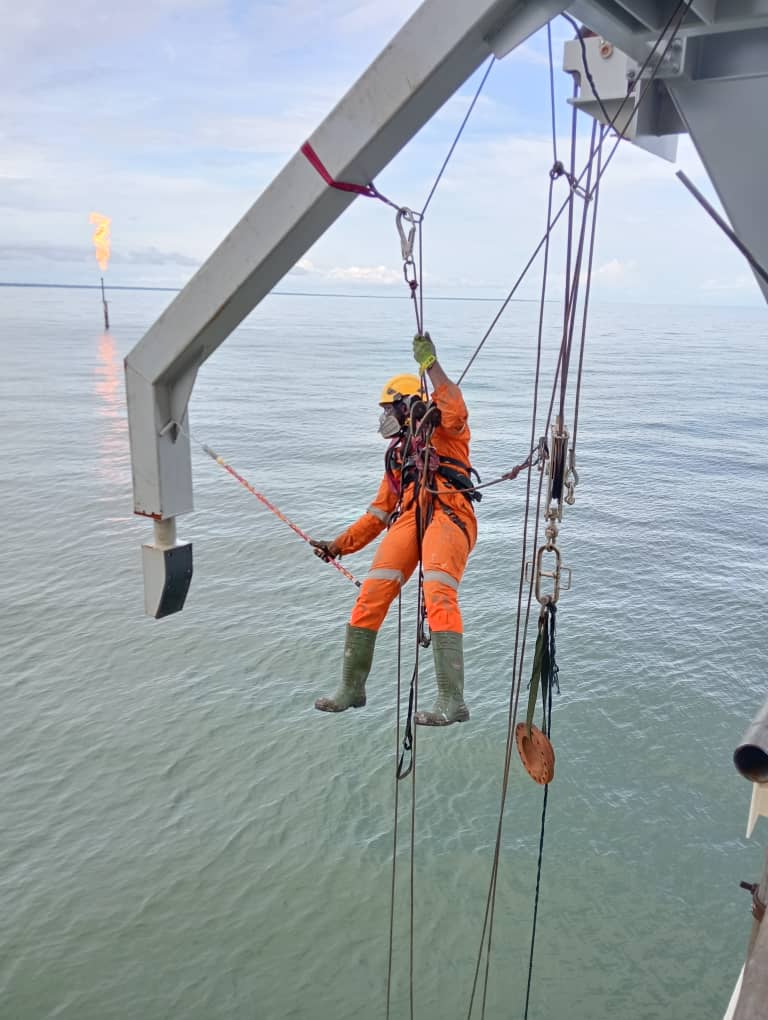
Rope rigging has evolved significantly with advancements in safety standards, equipment technology, and work-at-height methodologies. Modern rope rigging techniques are designed to improve efficiency, enhance safety, and reduce operational costs, especially in construction, marine, oil & gas, and industrial environments.
1. Rope Access Rigging Systems
One of the most widely adopted modern techniques is rope access rigging. This method uses certified ropes, harnesses, anchors, and descenders to position technicians safely at height. Rope access eliminates the need for heavy scaffolding or cranes in many situations, allowing faster setup, minimal disruption, and access to confined or difficult areas.
Key advantages include:
- Reduced project time and cost
- Enhanced mobility and flexibility
- Minimal environmental and structural impact
2. Advanced Anchor and Load Distribution Systems
Modern rigging emphasizes engineered anchor points and load distribution systems. These systems are designed to spread loads evenly across multiple anchors, reducing stress on any single point. Rigging engineers now use pre-calculated load ratings and redundancy principles to ensure maximum safety during lifting and positioning operations.
This approach is especially critical in high-risk environments such as offshore platforms and high-rise structures.
3. Use of High-Performance Synthetic Ropes
Traditional ropes have been replaced in many applications by high-performance synthetic fibers such as aramid, HMPE, and polyester blends. These ropes offer:
- High strength-to-weight ratios
- Increased resistance to abrasion and chemicals
- Improved durability and longer service life
Their lightweight nature also reduces fatigue for rigging personnel and improves handling efficiency.
4. Load Monitoring and Testing Technologies
Modern rope rigging integrates load monitoring tools such as dynamometers and load indicators. These devices provide real-time data on applied loads, helping operators prevent overloading and identify potential risks early.
Water load testing and controlled proof loading are now standard practices to verify system integrity before full operational use.
5. Modular and Temporary Rigging Solutions
Temporary and modular rigging systems are increasingly popular for short-term or specialized projects. These systems allow quick assembly and disassembly while maintaining high safety standards. They are commonly used in maintenance, inspection, and installation works where permanent rigging structures are not practical.
6. Digital Planning and Risk Assessment
Technology now plays a major role in modern rope rigging. Digital tools are used for:
- Rigging layout planning
- Load calculations
- Risk assessments and method statements
This digital approach improves accuracy, ensures compliance with safety regulations, and enhances communication between rigging teams and project managers.
7. Emphasis on Training and Certification
Modern rigging techniques rely heavily on properly trained and certified personnel. Industry-recognized training programs ensure that riggers understand equipment limitations, load dynamics, and emergency procedures. Continuous skills development has become a core part of modern rope rigging operations.
Leave a Reply